

The Life of a Showgirl Part 2: Power
You pulled the wrong trigger
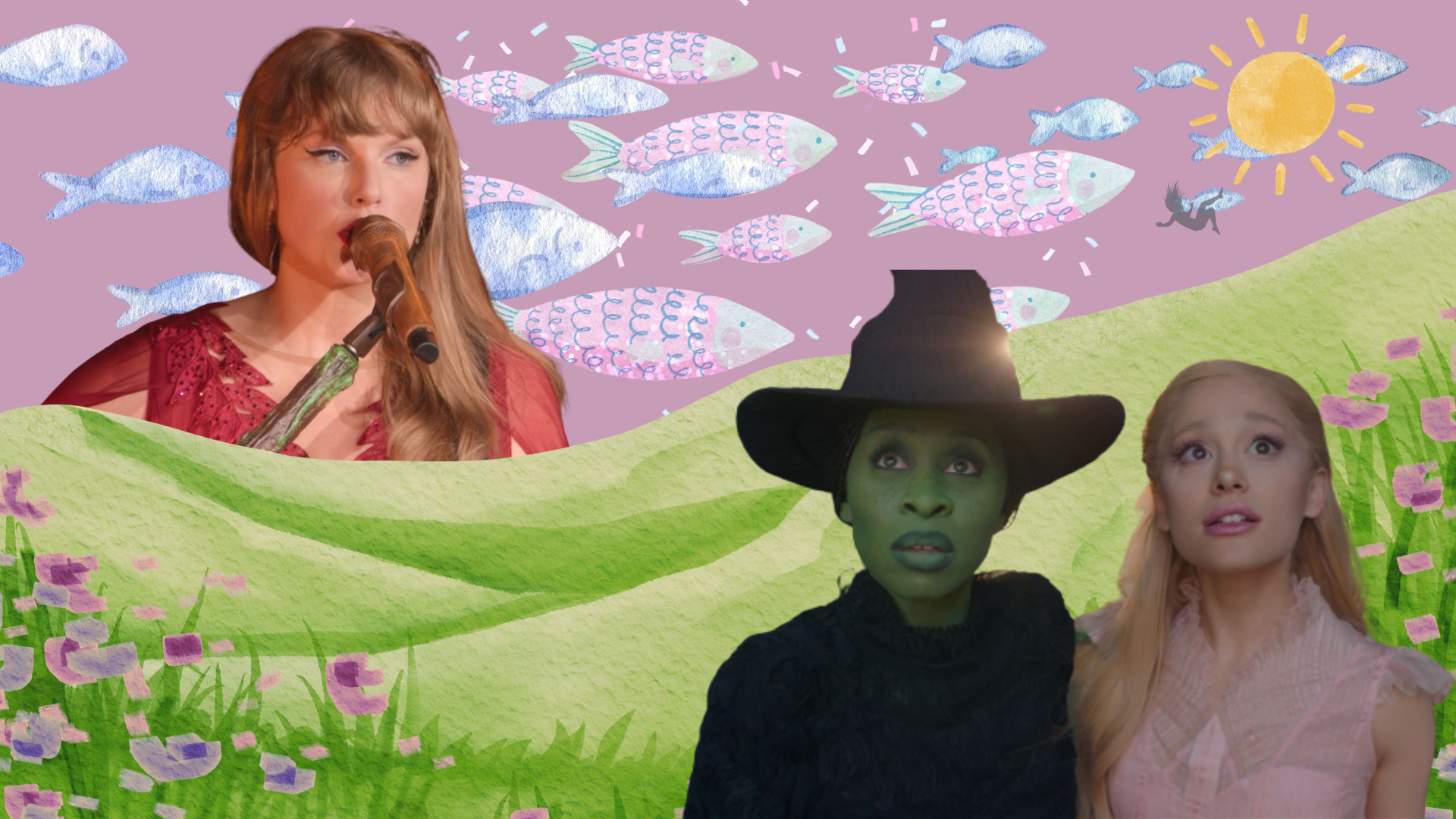
“Did you girl-boss too close to the sun?” - Father Figure
This Empire Belongs to Me
In Father Figure, a businessman takes a young man under his wing: “turned your rags into gold” and “I showed you all the tricks of the trade.”
But what draws these men together is the very thing that leads to their demise: “you remind me of a younger me.” They’re the same. The prodigy is just as power-hungry, just as ruthless.
They turn on each other and it gets intense: “you pulled the wrong trigger,” “I got the place surrounded,” and “you’ll be sleeping with the fishes before you know your drowning.”
But there’s a twist.
The first half of the song is from the father figure’s perspective. Halfway through, we hear a magic-synth-ringing. The song changes keys.
Does the narrator change, too? Who overthrows who in this mentorship-turned-rivalry?
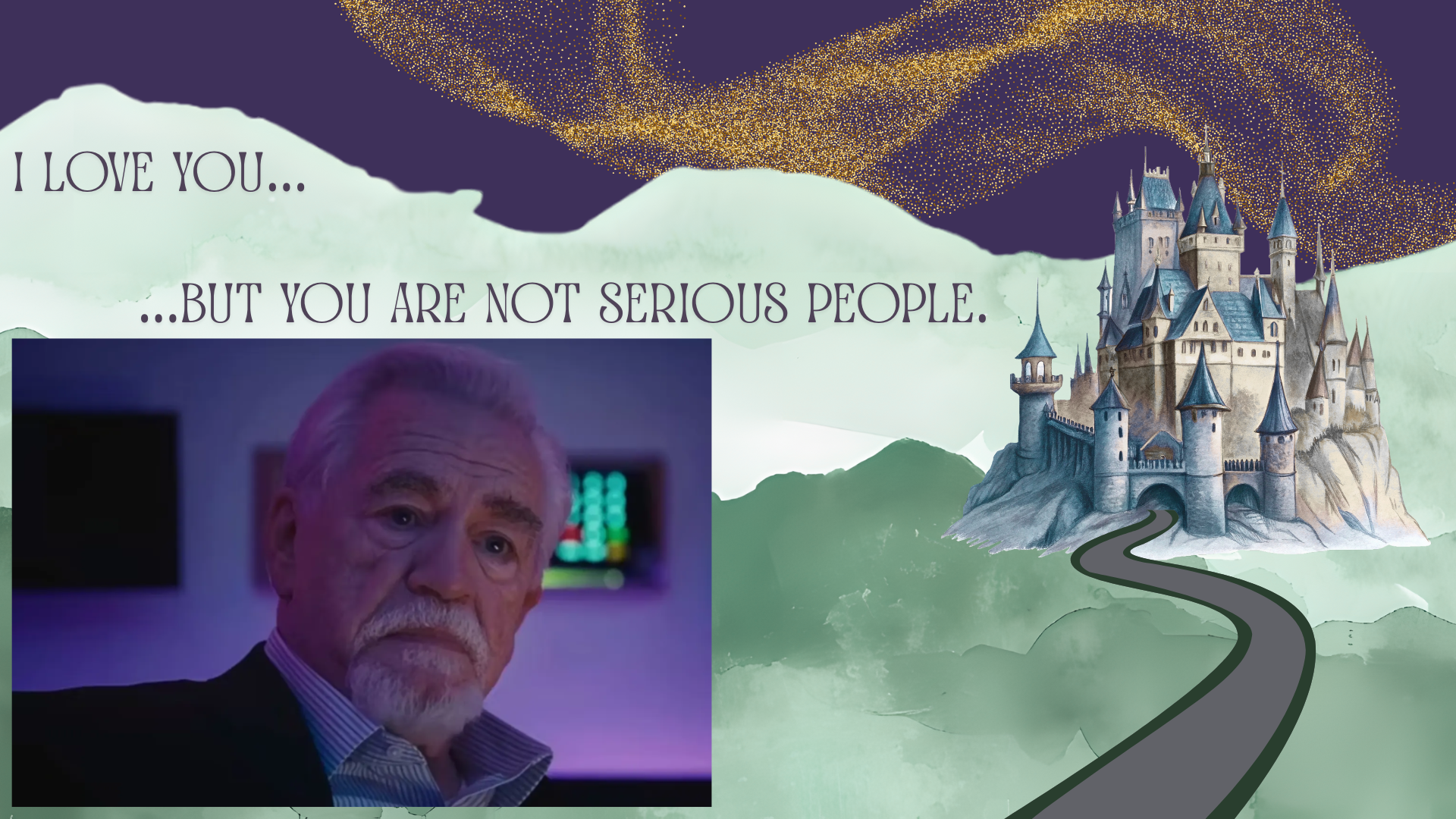
A quote from Logan Roy in the TV show Succession. Swift said this scene inspired the song Father Figure.
I Saw Potential
The first lyric after the ringing is: “I saw a change in you.” Does the father notice the prodigy getting too cocky? Or does the prodigy notice the father getting a little too comfortable?
Both men’s loyalty is to power, not each other: “they don’t make loyalty like they used to.” Yet both men need each other. Lines like, “mistake my kindness for weakness and find your card cancelled” seem to be obviously from the father’s perspective. We know the prodigy relied on the father figure to teach him. But I think sometimes, mentors rely on their mentees just as much.
It’s lonely at the top. When you’re guarded with everybody else, it must feel really nice to have a safe person to drink “brown liquor” with. Has the father figure grown to rely on this emotional safe place without realizing it? Like a spoiled kid relies on his dad to pay his credit card bill? Sometimes, we don’t know we’re relying on something until it’s taken away.
Whoever overthrows who, I think these men are the same. When we view kindness as a weakness, when we insist on controlling relationships, when our only path to vulnerability is through outright battles—both people will end up alone.
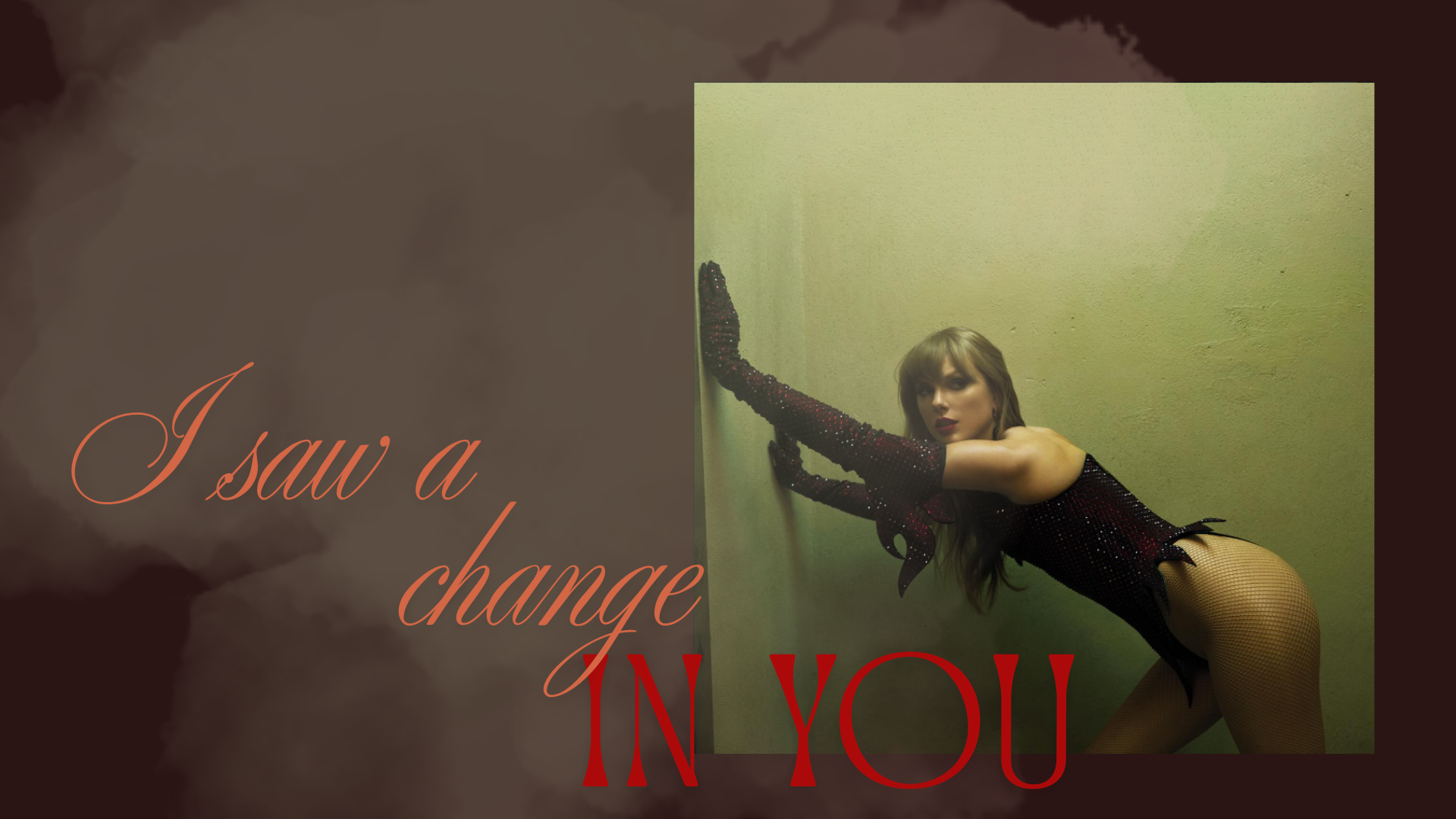
A lyric from Father Figure
Something Wicked This Way Comes
Does power always divide?
The friends of CANCELLED! had it good: “it’s easy to love you when you’re popular.” But the world won’t have it that way: “something wicked this way comes.”
Swift references Wicked:“popular,” “wicked,” “good/better.” In that story, friends Glinda and Elphaba start out altruistic. But really, they’re naive. Glinda believes good will always win, Elphaba that truth will. Both learn the hard way this is not the case.
In CANCELLED!, the narrator was “exonerated” and her friend thought goodness would protect her…it didn’t: “tone-deaf and hot let’s fucking off her.”
In both stories, the outside world creates hardship: “beware the wrath of masked crusaders” (CANCELLED!) But the world is not what changes them. The friends change in relation to each other: “I am who I am today because I knew you” (For Good, from Wicked).
Elphaba and Glinda test each other’s integrity, reveal each other’s limits, and teach each other who they really are. That kind of self-discovery needs momentum. Conflict is the momentum.
It’s the same in CANCELLED!. Conflict gives the narrator the opportunity to show her loyalty. She guides her friend, “we’ll take you by the hand” and “soon you’ll learn the art of never getting caught.” She gives her tough love: “if you can’t be good then just be better at it.”
Conflict is upsetting, “it’ll break your heart.” But, it’s also an opportunity. In both cases, the friends form a deeper understanding because of it: “now you know exactly who your friends are, we’re the ones with matching scars.”
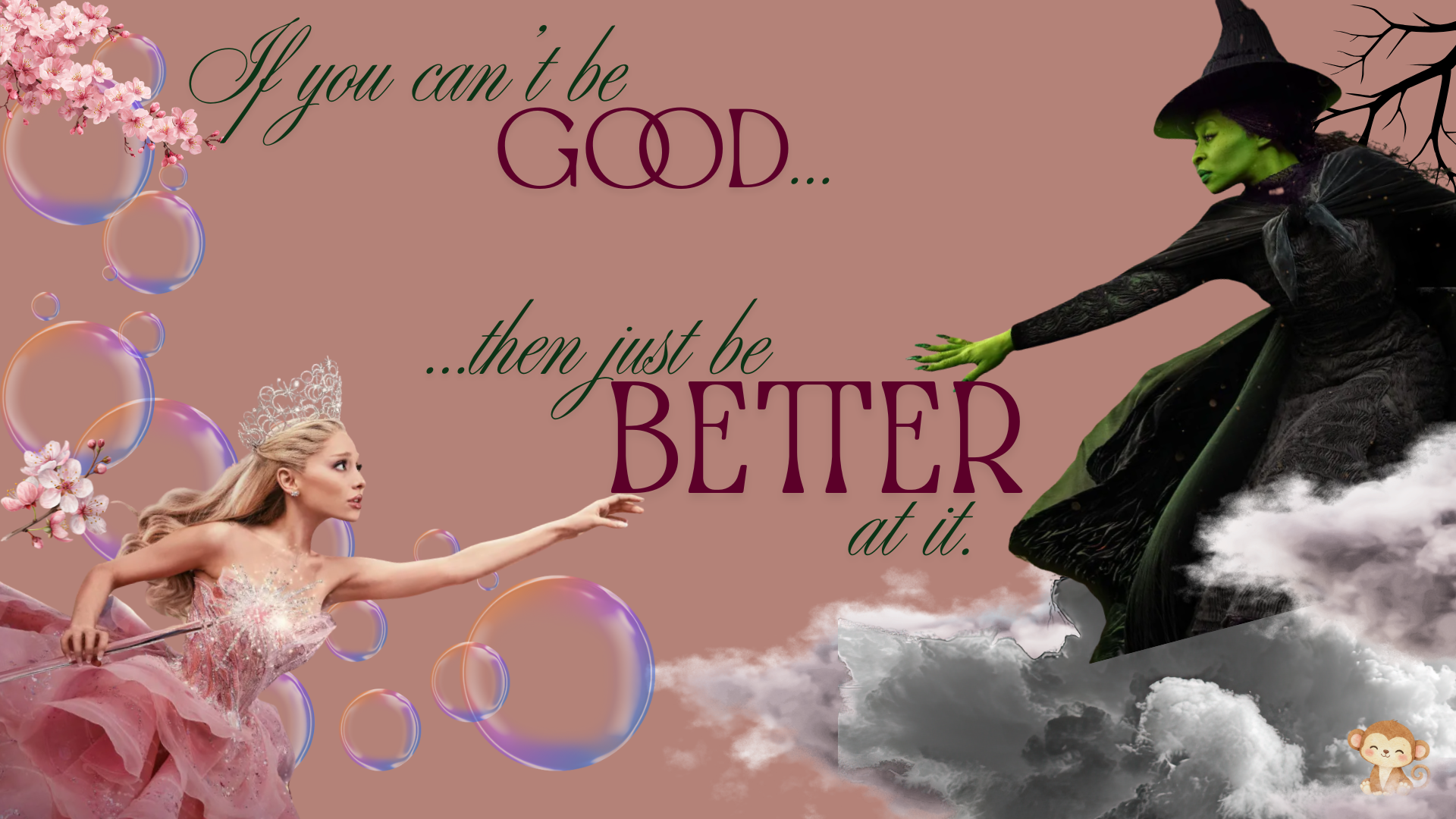
A lyric from CANCELLED!
Like a Handprint on My Heart
What’s the difference between Father Figure, CANCELLED!, and Wicked? Because I’d argue a lot is the same.
All three pairs care about each other: “I dry your tears with my sleeve” (Fathre Figure) and “I salute you if you’re much too much to handle” (CANCELLED!).
Ironically, this mutual respect is the bedrock of their conflict. If they didn’t care, they wouldn't fight. When friends don’t care, we don’t get songs like Father Figure or CANCELLED!. We get Actually Romantic: “like a toy chihuahua barking at me from a tiny purse, that’s how much it hurts.”
All three pairs push each other to grow. Whoever overthrows who in Father Figure, those men change each other: “I saw a change in you.” However much the conflict challenges us, that’s how much it can strengthen us—if we’re open to it: “we are led to those who help us most to grow, if we let them, and we help them in return” (For Good).
When we change in relation to someone, we understand each other better because we go through it together: “now they’ve broken you like they’ve broken me” (CANCELLED!). That change can be painful and transformative: “a shattered glass is a lot more sharp” (CANCELLED!).
So all three pairs see each other deeply.
The difference is their comfort level with being seen.
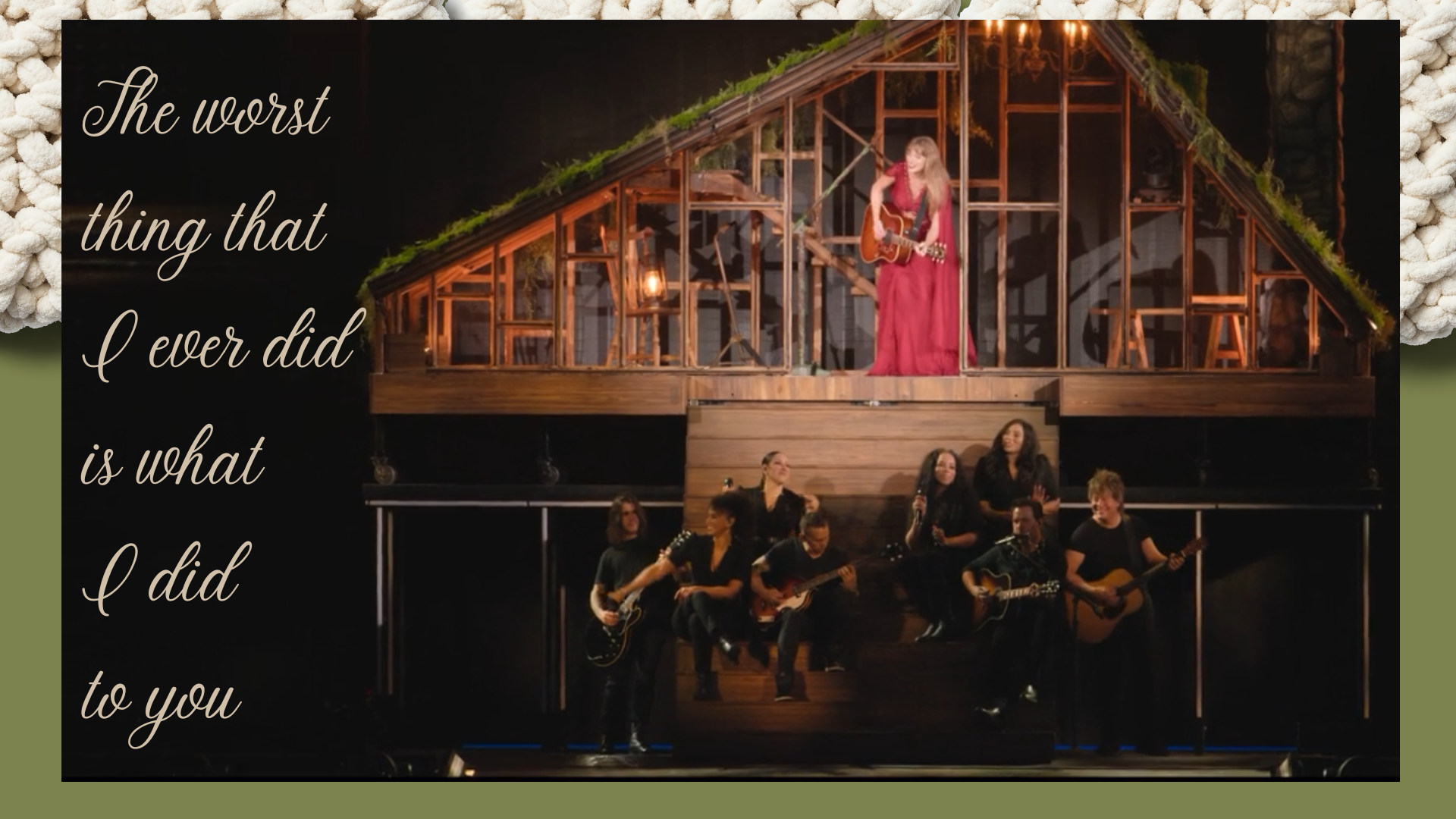
A lyric from betty on folklore
You Know Who We Are
When someone truly sees us, can we let ourselves to be seen?
Seneca says “all cruelty springs from weakness.” Are we strong enough to let someone see what we’re ashamed of? To admit we’re wrong? “the worst thing that I ever did is what I did to you” (betty, from folklore). And then make it right? “the only thing I wanna do is make it up to you” (betty). Or does shame make us knee-jerk-react into cruelty? “you want a fight, you found it” (Father Figure).
The inverse is just as important. When we truly see someone else, do we capitalize on their weakness for self-gain? “I saw potential” (Father Figure). Or do we give empathy? “everyone’s got bodies in the attic…we’ll take you by the hand” (CANCELLED!).
And more importantly, can we extend empathy after they’ve hurt us?
I think that’s what love is. Not just mutual respect and being seen. But instead of looking at how the other person hurt us, choosing to look at how we both got there. And then looking past it: “we both know there's blame to share, and none of it seems to matter anymore” (For Good).
That turns intimacy into full acceptance, which is a rare—and powerful—thing.
A lyric from For Good.
You Can Check Out Anytime You Like
Does it matter how these stories end?
All three pairs might part ways forever: “It well may be that we will never meet again” (For Good). Who knows if the friends of CANCELLED! stay in touch. Something tells me the men of Father Figure didn’t.
These relationships aren’t impactful for their endings, good or bad. They’re impactful for how the friends changed each other.
It reminds me of another song about the power of change, Hotel California: “you can check out anytime you like, but you can never leave.” Any of the characters from these songs can “check out of the hotel.” We can overthrow our mentor. We back away from a friendship. We can part ways.
We can leave the transformational relationship. But wherever we go…the transformation will never leave us.
The Life of a Showgirl Part 3
